21 Aug 2026
Swedish Policy Changes Redefine Incentives in Live Dealer Gaming
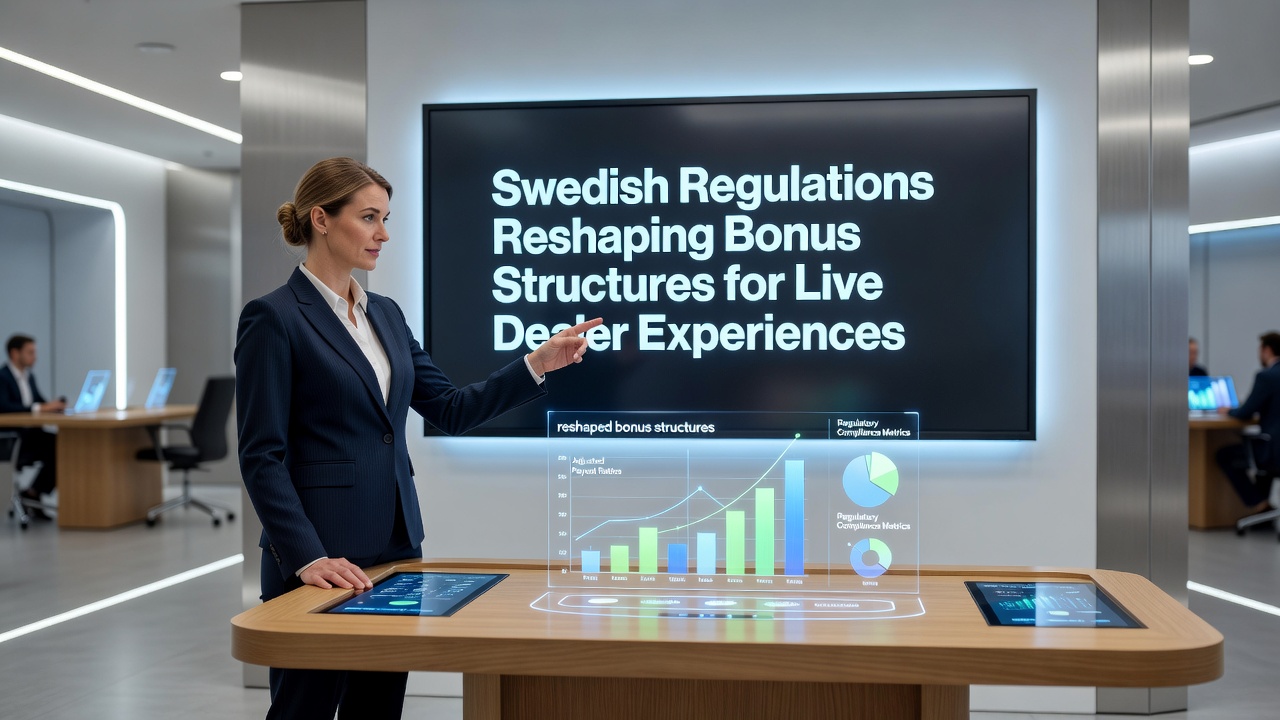
Sweden maintains a regulated gambling market through the Spelinspektionen authority, and recent policy adjustments have begun to influence how operators structure promotional offers tied to live dealer tables. These developments build on the licensing framework established in 2019, yet they introduce tighter parameters around bonus mechanics that affect player engagement with real-time table games such as blackjack, roulette, and baccarat. Data from industry reports indicate that operators must now align reward systems more closely with responsible gaming requirements, which in turn shapes the design of deposit matches, cashback programs, and loyalty incentives.
Core Elements of the Updated Framework
Regulations effective leading into August 2026 require clearer separation between bonus funds and player deposits across all licensed platforms offering live dealer content. This separation aims to reduce the risk of excessive wagering, and compliance involves implementing time-bound validity periods along with transparent wagering multipliers that apply uniformly to live-streamed sessions. Observers note that these rules differ from earlier guidelines because they emphasize real-time tracking of bonus usage during interactive dealer rounds rather than solely focusing on slot-based activity.
Operators have responded by revising their promotional calendars, and several platforms now limit the number of concurrent offers available to a single account when live dealer games are involved. Figures from market analyses show a measurable shift toward smaller, more frequent rewards that accumulate gradually instead of large upfront bonuses that previously dominated marketing campaigns. This adjustment aligns with broader European efforts to standardize consumer protections while preserving operator competitiveness within national borders.
Impact on Player Behavior and Platform Design
Research conducted by European gaming associations reveals that players participating in live dealer environments encounter fewer high-value sign-up incentives but gain access to ongoing loyalty structures that reward consistent session length and responsible stake management. These structures often incorporate progress meters displayed directly within the game interface, allowing participants to monitor bonus progression without leaving the live table view. Such features have prompted developers to integrate additional user-interface elements that communicate regulatory compliance in real time.
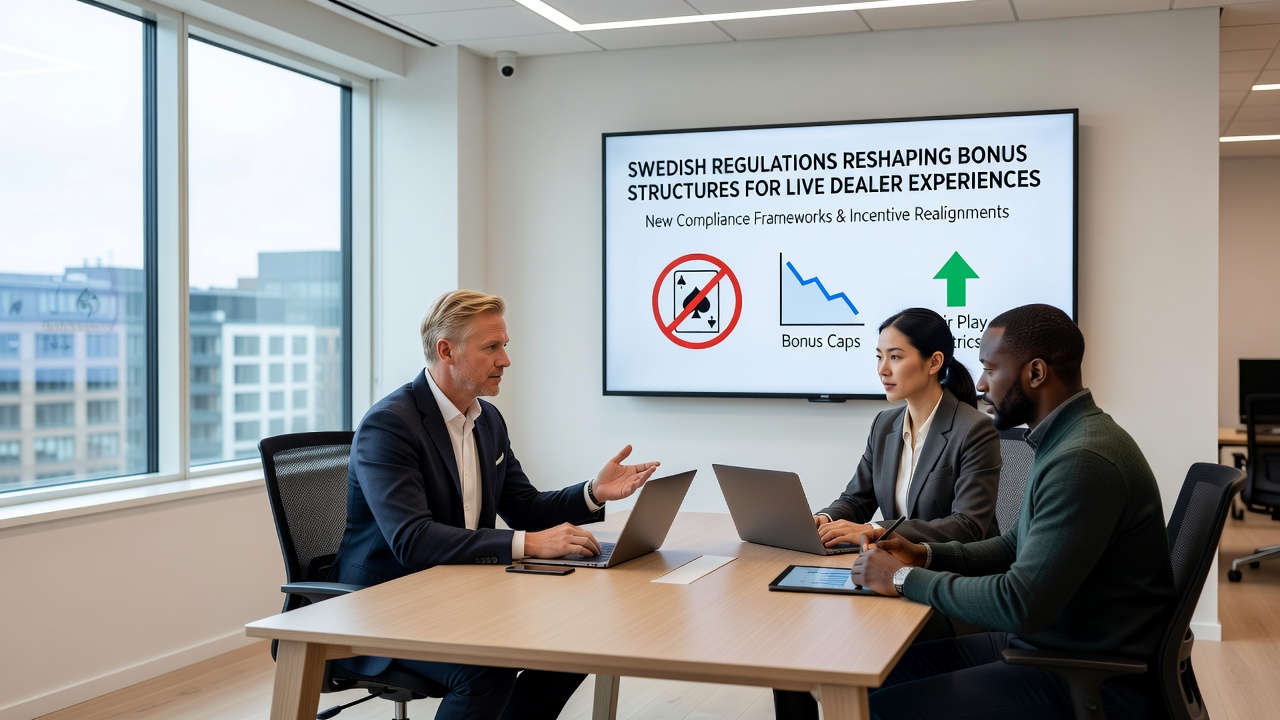
Case studies from multiple licensed entities demonstrate that the transition has encouraged the adoption of hybrid bonus models combining cashback on net losses with time-limited free bet tokens applicable only to specific live variants. The models maintain fairness by applying identical terms across all player segments, and they avoid differentiation based on deposit history or geographic location within Sweden. External evaluations from academic institutions further support that these changes correlate with lower rates of bonus-related disputes reported to customer service teams.
Technical Adjustments Required for Compliance
Platform providers must update their backend systems to enforce new restrictions on bonus stacking, particularly when players switch between live dealer tables and other game categories. Automated verification processes now flag accounts attempting to combine multiple active promotions during a single live session, and these systems generate compliance reports that operators submit periodically to Spelinspektionen. Industry organizations have published guidance documents outlining minimum technical standards for such monitoring tools, and several vendors have released modular updates that integrate directly with existing live streaming software.
Training programs for support staff have expanded to cover the nuances of the revised bonus rules, ensuring that inquiries about live dealer promotions receive accurate explanations grounded in the current regulatory text. This preparation becomes especially relevant as the August 2026 implementation date approaches and operators finalize their adjusted offerings ahead of peak seasonal activity.
Broader Market Implications
Evidence from comparative studies across regulated jurisdictions indicates that Sweden's approach to bonus restructuring may influence neighboring markets considering similar reforms. Trade groups have begun hosting forums where operators exchange anonymized data on implementation costs and player retention metrics following the policy updates. These exchanges highlight that live dealer segments experience distinct challenges compared with automated games because real-time interaction requires instantaneous bonus validation without disrupting gameplay flow.
Additional resources on cross-border regulatory comparisons appear through reports issued by the Australian Gambling Research Centre and analyses from Canadian provincial oversight bodies, providing operators with wider context for strategic planning.
Conclusion
Swedish regulatory evolution continues to refine how bonuses operate within live dealer environments, and the adjustments scheduled around August 2026 represent a continuation of ongoing efforts to balance commercial interests with player safeguards. Licensed platforms have adapted through technical upgrades, revised promotional strategies, and enhanced transparency measures that collectively reshape the incentive landscape. Data collected in the coming periods will determine the long-term effects on participation patterns and operator compliance records.